
Hip Replacement Surgery in Manchester & Cheshire for Persistent Hip Pain
Altibury Health helps patients arrange appointments with independent consultant hip surgeons when persistent pain, stiffness or reduced mobility raises the question of hip replacement in Manchester and Cheshire. The consultant assesses the likely cause and severity of symptoms, reviews previous treatment and discusses whether surgery or a non-surgical approach may be appropriate.
Consultant-Led Care Before Considering Hip Replacement
Hip replacement is a significant treatment decision. Assessment focuses on whether surgery is appropriate for your symptoms, general health and personal goals rather than recommending an operation based on an X-ray alone.
- Consultant-led orthopaedic assessment
- Individual consideration of pain, stiffness and mobility
- Non-surgical options considered where appropriate
- Existing scans and medical information reviewed where relevant
- Clear discussion of the potential benefits and risks of surgery
- Personalised treatment and recovery planning
- Appointments available for self-pay and insured patients
When Might Hip Replacement Surgery Be Considered?
Hip replacement is most commonly considered when damage within the hip joint causes persistent symptoms that substantially affect quality of life.
You may benefit from specialist assessment if you experience:
- Persistent pain in the hip or groin
- Stiffness and reduced range of movement
- Difficulty walking or climbing stairs
- Pain affecting sleep
- Difficulty dressing or putting on shoes and socks
- Reduced ability to work, exercise or remain independent
- Symptoms that continue despite appropriate non-surgical treatment
Osteoarthritis is a common reason for hip replacement, where pain, stiffness, reduced function or progressive deformity substantially affects quality of life and non-surgical management is ineffective or unsuitable.
What Does Hip Replacement Surgery Involve?

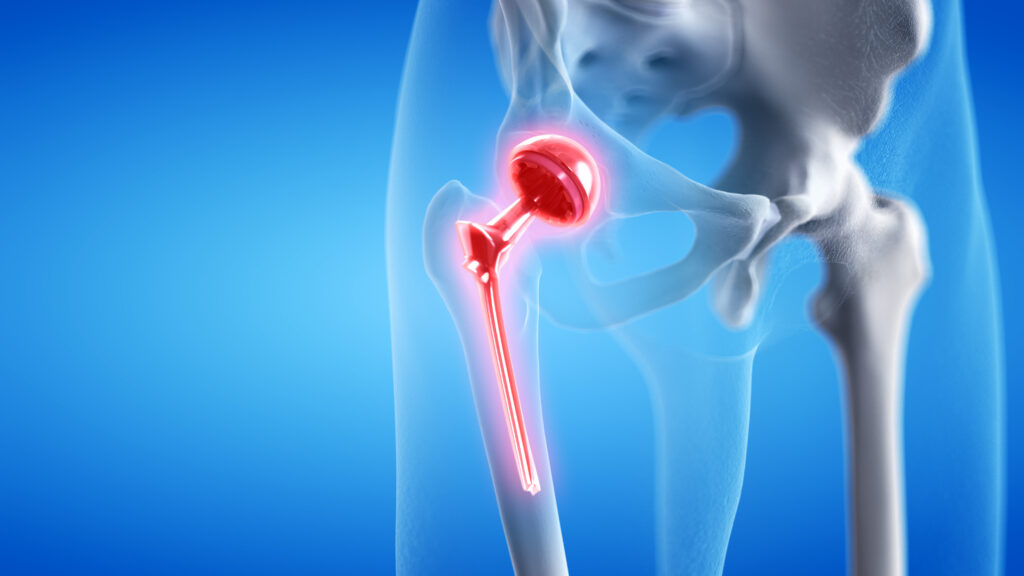
During a total hip replacement, damaged parts of the hip joint are removed and replaced with artificial components designed to recreate the ball-and-socket joint.
Whether surgery is suitable depends on your diagnosis, symptom severity, general health and what you hope to achieve from treatment. Shared decision-making before a joint replacement, includes discussion of alternatives, expected benefits, possible risks, implant options and the potential need for further surgery in the future.
Your consultant can explain the procedure proposed for you and why it may be appropriate.
Alternatives to Hip Replacement Surgery
Not everyone with hip pain requires an operation. Depending on the cause and severity of your symptoms, appropriate non-surgical treatment may include:
- Therapeutic exercise or physiotherapy
- Activity modification
- Weight management where relevant
- Suitable pain relief
- Support with maintaining mobility
- Monitoring symptoms over time
When these approaches no longer provide sufficient relief and hip problems are substantially affecting daily life, hip replacement may become a reasonable treatment option.
What to Expect From Your Hip Replacement Assessment
Your consultation provides an opportunity to understand whether surgery is the right next step for you.
Your specialist will typically consider:
- Where your pain is located and how long it has been present
- How symptoms affect walking, sleep and daily activities
- Your previous treatment and response to it
- Hip movement and function
- Existing X-rays or other investigations
- Your medical history and general health
- Your expectations and treatment priorities

If hip replacement is recommended, the procedure, preparation, recovery and potential complications should be discussed before you decide whether to proceed.=
Recovery After Hip Replacement
Recovery is gradual and varies between patients. Many people begin standing and walking on the day of surgery or the following day, often initially using crutches or a walking frame. The timing of discharge depends on recovery, medical fitness and individual circumstances. Regaining strength and confidence can take several months.
Rehabilitation focuses on gradually restoring movement, strength and independence. Advice about driving, work, exercise and daily activities should be personalised to your recovery.
Risks of Hip Replacement Surgery
Hip replacement is a commonly performed procedure, but all surgery carries risks. Possible complications include infection, blood clots, dislocation, leg-length difference, implant loosening or wear, and problems that may require further surgery. Your individual risks depend on your health and other clinical factors.
Your consultant should explain the benefits and potential risks relevant to you so you can make an informed decision.
Frequently Asked Questions
How Do I Know If I Need a Hip Replacement?
A hip replacement may be considered when pain, stiffness and reduced function significantly affect daily life and suitable non-surgical treatments are no longer helping enough. A specialist assessment is needed to determine whether surgery is appropriate for your particular hip problem.
Is Hip Replacement Only for Older People?
No. People should not be excluded from consideration for joint replacement solely because of age, BMI, smoking status or other health conditions. Suitability is assessed individually, with an informed discussion of the risks and expected benefits.
How Long Does Hip Replacement Recovery Take?
Recovery varies. Walking usually begins soon after surgery, but regaining strength and returning to normal activities can take several weeks or months. Overall recovery may take several months depending on factors such as general health.
Will I Need Physiotherapy After Surgery?
Rehabilitation and exercise are important parts of recovery. Physiotherapists typically help patients begin walking after surgery and provide exercises designed to improve movement and strength as recovery progresses.
Can My Existing Hip X-Rays Be Reviewed?
Existing imaging can be useful when assessing hip symptoms. Bring any available X-rays, scan reports, clinic correspondence and details of previous treatment to your consultation so your specialist can determine whether further investigations are required.
Take the Next Step Towards Understanding Your Hip Pain
If persistent hip pain or stiffness is restricting your mobility, sleep or independence, an appointment with an independent consultant hip specialist can help establish whether hip replacement should be considered. Altibury Health assists with arranging access; your consultant provides the assessment, discusses alternatives and supports an informed treatment decision.